
Wakefield Criminal History Checks
A useful Wakefield search starts with place, not just a person's name. Wakefield spans Dixon and Wayne Counties. The Wakefield boundary can determine which sheriff accepted a booking and which County Court opened a case. The police report, jail entry, court docket, and State Patrol history are separate Wakefield records. Search each source that fits the question instead of treating one blank result as the end of the inquiry.
Use this order for a Wakefield criminal record check:
- Pin down the street or site of the incident and confirm whether it lies in Dixon or Wayne County.
- Contact the Wakefield Police Department for a report it created, and provide an event number, date, place, and record type when known.
- Ask the sheriff in the incident county about current custody or a county booking record.
- Search statewide JUSTICE court records, then contact the correct County Court or District Court for the file.
- Use the Nebraska State Patrol Limited Criminal History only when a certified, releasable statewide history is the needed product.
Wakefield Records Cross Two Counties
The two-county Wakefield boundary is the main source of false negatives in a Wakefield criminal-history search. Wakefield is larger than Ponca, yet Wakefield is not the Dixon County seat. A person who searches only Dixon County because Wakefield is associated with Dixon may miss a Wayne County booking or filing. The reverse can happen when someone assumes a Wakefield address belongs wholly to Wayne County.
Start with the precise Wakefield incident address, then identify the arresting agency. That fact controls the next call. The Wakefield report can remain with Wakefield police while the booking belongs to one county sheriff and the prosecution belongs to that county's courts. A statewide JUSTICE search can bridge the county question because it covers Nebraska County and District Courts. Still, the detailed Wakefield document must be requested from the clerk that holds it.
The official Census data search helps establish Wakefield's place geography and population context.
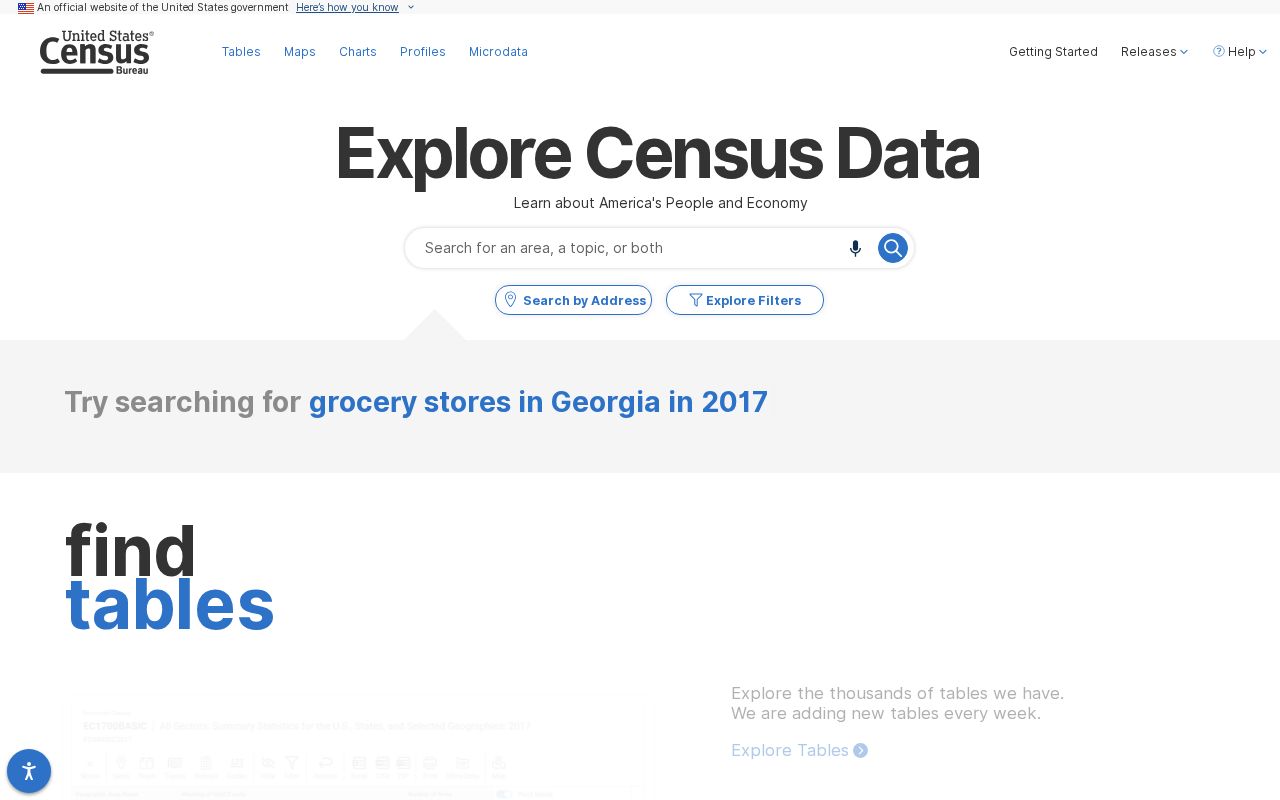
The census view reinforces why a whole-city label does not identify the county part where a record arose.
Four Wakefield Criminal Record Layers
A single Wakefield event can leave four Wakefield-related records, but no office holds them all. Wakefield police may keep the report. The sheriff for the Wakefield incident county may keep the booking. The court serving that part of Wakefield keeps the filed case. NSP may keep a fingerprint-supported statewide history. A Wakefield report can exist with no Wakefield booking if the person was cited. A Wakefield booking can exist before a Wakefield court case appears. A Wakefield court result can also differ from the first allegation.
For fresh Wakefield facts, ask the Wakefield agency and correct sheriff. For filed Wakefield charges, read JUSTICE and call the clerk. For an older certified product, use NSP. This timeline prevents a blank Wakefield search from being mistaken for a complete answer. It also keeps a Wakefield incident narrative distinct from the decision a prosecutor made later. When the county is uncertain, the Wakefield address remains the fact that unlocks the rest of the search.
Records at the Wakefield Police Department
A report created by Wakefield police belongs with that Wakefield agency. The official City of Wakefield site is the place to verify the current police contact, address, email, and counter hours before making a request. The research did not verify a Wakefield arrest blotter, incident-report form, records portal, police app, or separately published records desk. Do not substitute a commercial people-search site for an official Wakefield channel.
Describe the requested Wakefield record with care. Give the event number if known, the date and location, the type of report, and the desired format. Ask for a cost estimate before copies are made. If the city did not create the report, ask which agency did. A Nebraska State Patrol event, for example, may leave the county sheriff with booking information but not the patrol incident narrative.
Under Nebraska public-record law, a custodian may redact protected victim data, juvenile information, active investigative details, medical material, and security-sensitive facts. The presence of some exempt facts does not automatically make every part of a mixed record closed. Ask for the public, severable portions.
Wakefield Police Reports and Booking Records
A Wakefield police report and a sheriff booking answer different questions. The report describes the event, location, witnesses, evidence, officer action, and initial allegations. A booking entry documents intake into custody, identity checks, fingerprints, property, the initial charge or warrant, bond status, and release or holding information. The prosecutor can later file a different charge, and only the court docket shows that filed decision.
| Wakefield source | Main content | Best starting fact |
|---|---|---|
| Police agency | Incident or arrest narrative | Event date and location |
| County sheriff | Booking and current custody | Incident county |
| County clerk | Filed charge and disposition | Case number or full name |
That division matters most near the Wakefield boundary. Confirm which county sheriff received the person. If the answer is unclear, ask Wakefield police where transport went rather than guessing from the Wakefield name.
Note: An arrest is an allegation and custody event, not proof that the person was convicted of the listed charge.
Booking and Arrest Records in Wakefield
No official Wakefield arrest log or self-service Dixon County jail roster was verified. For a recent Wakefield arrest in Dixon County, contact the Dixon County Sheriff at 402-755-5608. The sheriff manages the county jail and accepts focused requests for identifiable booking or arrest material. If the incident was in Wayne County, use the corresponding Wayne County official channel instead. The location must be resolved before a caller can know which jail inquiry is relevant.
Search JUSTICE after the court has had time to enter a Wakefield filing. The service warns of a 24-hour data-entry lag, so a same-day blank result does not prove there was no Wakefield arrest or case. The one-time remote search costs $17, returns up to 30 cases, remains available for three calendar days, and does not provide document images. A courthouse terminal offers a free search. For the full Wakefield arrest process and county request routes, use the Dixon County arrest search.
A certified NSP record costs $30 per subject and uses name, birth date, sex, race, and optional identity details. It follows releasable fingerprint-supported Nebraska arrest cycles and reported dispositions. It is not a same-day Wakefield booking log, and it is not a national record.
Finding Wakefield Court Records
Nebraska does not operate a separate Wakefield municipal court database. City-ordinance cases go through County Court. The same court level also handles misdemeanors, infractions, traffic cases, extraditions, and felony preliminary hearings. Felony prosecutions that move beyond the preliminary stage belong in the District Court for the county where filed.
If a Wakefield case appears in JUSTICE, read the court and case number before contacting a clerk. A felony path can create an early County Court file and a later District Court file. Looking at only one level may stop before the final plea, trial, judgment, or sentence. When the incident county remains uncertain, statewide candidate results can show which county court accepted the filing.
JUSTICE includes the case summary, parties, offense details, register of actions, judge information when applicable, and costs or judgments. It does not turn every police allegation into a court charge. The prosecutor decides what to file.
The Wakefield Municipal Court File
The phrase "Wakefield municipal court record" usually points to a city-ordinance matter filed in the proper Nebraska County Court, not to a stand-alone city tribunal. Find the county from the event location. Then use JUSTICE or the clerk counter to locate the official file.
| Court Name | County Court for the county where the Wakefield matter was filed |
|---|---|
| Case Types Heard | City ordinances, misdemeanors, infractions, traffic, extradition, and felony preliminary matters |
| Case Lookup Channel | JUSTICE online search, free courthouse terminal, or clerk inquiry |
| What the Docket Shows | Case number, parties, filed offense, hearings, orders, disposition, judgment, and costs |
| Copies & Fees | Ask the holding clerk for current plain or certified-copy charges |
The one-time online result contains information rather than document images. Ask the correct clerk for the complaint, order, judgment, or certified copy. Court staff may help locate a specifically identified file, but Nebraska policy says they do not provide a certificate that a search found no record.
JUSTICE Bridges Wakefield Court Records
JUSTICE is especially useful in Wakefield because its statewide scope reduces the risk of beginning in the wrong county. The current one-time controls include non-witness party name, birth date, case type, and case year. Start broad enough to see candidate names. Over-narrowing can hide a match, while common names can reach the 30-case limit.
Cookies and JavaScript are required. The user must accept the terms before selecting Begin Search. Results have a nightly or 24-hour lag and coverage depends on when each court and case type entered the system. If a recent Wakefield event is missing, confirm spelling, wait for the next update, and call the likely clerk. Silence in the portal is not a formal no-record finding.
How Wakefield Records Reach the County
A Wakefield event can produce four related records. Police create the incident or arrest report. The receiving sheriff creates a booking file. The county prosecutor decides whether and what to charge, and the clerk enters the court docket. Fingerprints and later dispositions may flow to the Nebraska State Patrol Criminal Identification Division.
Record flow: Wakefield Police Department › correct county sheriff and courts › Nebraska State Patrol
For recent activity, call the local agency and sheriff first. For filed proceedings, search JUSTICE and obtain documents from the clerk. For an older certified statewide product, use NSP Limited Criminal History. A missing item in one layer may reflect an unfiled allegation, no fingerprints, a reporting lag, or a restriction under Nebraska law. The broader Dixon County criminal-history overview explains how the county and state layers differ.
No Wakefield Arrest Blotter
The absence of an official Wakefield blotter changes the Wakefield workflow. Begin with the Wakefield police report request, then ask the correct sheriff about booking. Check JUSTICE for filed Wakefield court action. If the record holder is unclear on the Dixon side, the Dixon County Clerk at 402-755-5602 can route a Nebraska Public Records Statutes request to the proper county department.
Dixon County says the holding department will provide an approximate fee, and the requester can decide whether to proceed. A purpose or intended-use explanation is not required. Ask for electronic delivery when feasible, a cost estimate, and release of nonexempt portions. The statutory path generally calls for access, a supported denial, or a written extension within four business days. A requester then has ten business days to answer a cost estimate.
Wakefield Record Access Rules
Wakefield police and county custodians apply Nebraska's public-record and criminal-history dissemination laws. Public court dockets remain distinct from the NSP criminal-history product. Some personal data, juvenile material, active investigative information, medical facts, and protected victim details may be withheld. Qualifying non-conviction history can also leave public dissemination on a statutory schedule.
Key Statutes:
Neb. Rev. Stat. §84-712 gives the public a right to inspect and obtain public records during ordinary business hours.
Neb. Rev. Stat. §84-712.05 lists records that may be withheld while permitting public portions to be separated.
Neb. Rev. Stat. §29-3523 limits public dissemination of qualifying non-conviction criminal-history information.
No-charge history generally becomes nonpublic after one year. When completed diversion leads to no charge, the period is two years. Certain dismissals, acquittals, deferred judgments, and approved problem-solving outcomes receive separate treatment after notice or entry. These rules concern public access, not a claim that the event never occurred.